How to Choose the Right Electrician for Your Home
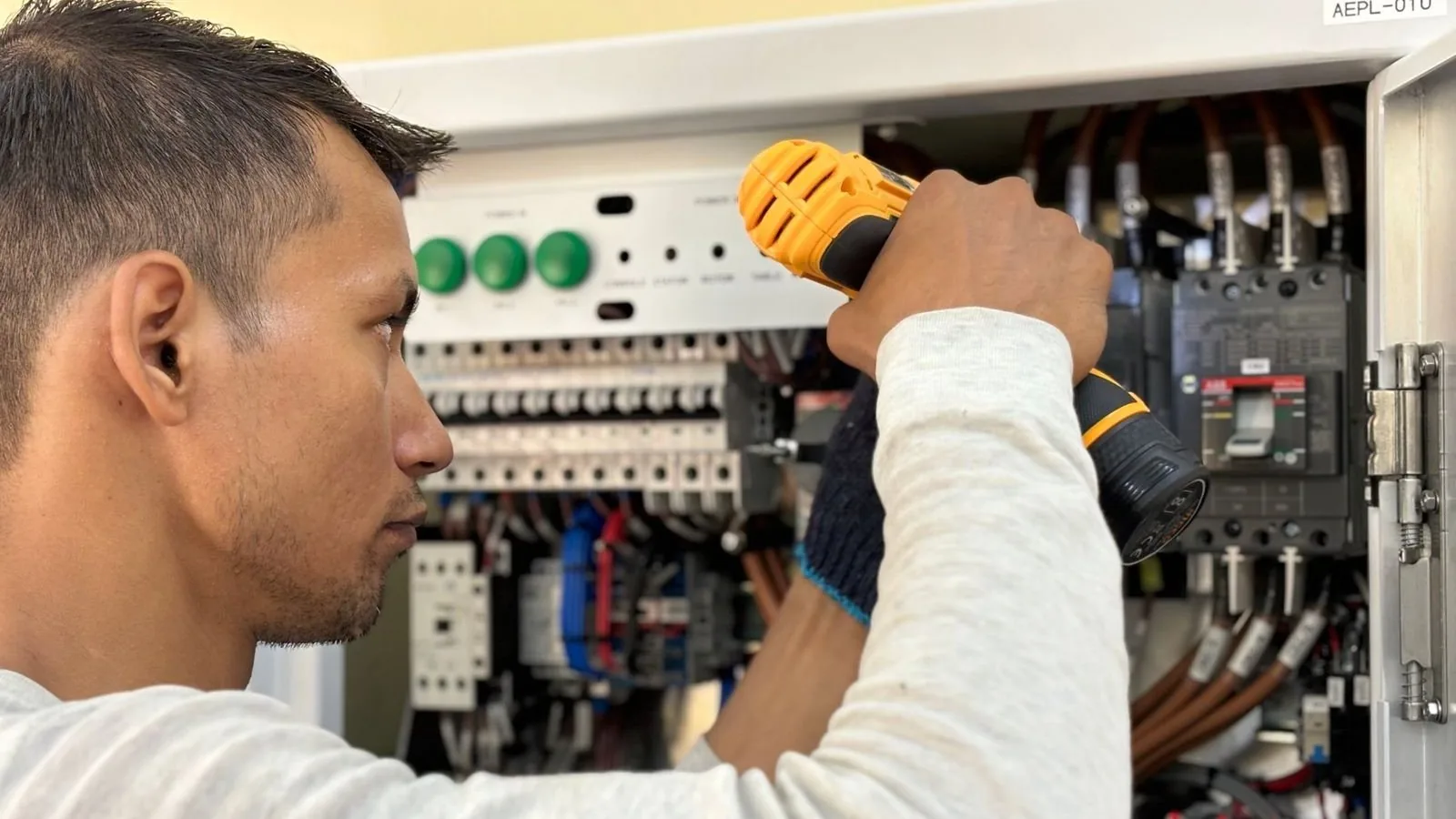
Electrical work is the one trade where a bad job can hide for years and then start a fire or stop a heart. It is also the trade where most homeowners have the least idea what they are looking at. So here is how we would pick an electrician if we were not one, written by the crew at Leds Electrical, with what we see go wrong on other people’s jobs.
The licence, and how to check it
In NSW every bit of electrical wiring work needs a licensed electrician, regardless of what it costs. There is no small job exemption. Changing a light fitting, adding a power point, moving a switch: all licensed work. The person or company you hire must hold an electrical contractor licence, which is the licence that lets them contract with you and take your money for the work. A qualified supervisor certificate is different. It means the person is qualified to do and supervise electrical work, but they have to do it for a licensed contractor rather than signing you up directly.
Check it. The NSW Fair Trading public register is free and takes a minute. Search the licence number on the quote, confirm the name on the register matches the name on the quote, check the licence is current and covers electrical work, and look for any disciplinary history. A number on a van is not proof of anything until you have looked it up.
The certificate you must receive
When the work is done, the electrician has to test it and lodge a Certificate of Compliance for Electrical Work, usually called a CCEW, within seven days of testing. It is lodged with the state regulator, a copy goes to the electricity distributor where the work affects the connection, and a copy can be sent to you by email. Ask for yours and keep it. It is the record that the work was tested against the wiring rules, and you may need it for a warranty or insurance claim or when you sell. If an electrician tells you a CCEW is not needed for a small job, or that it costs extra, walk away. It is part of the work.
Insurance and the paperwork around it
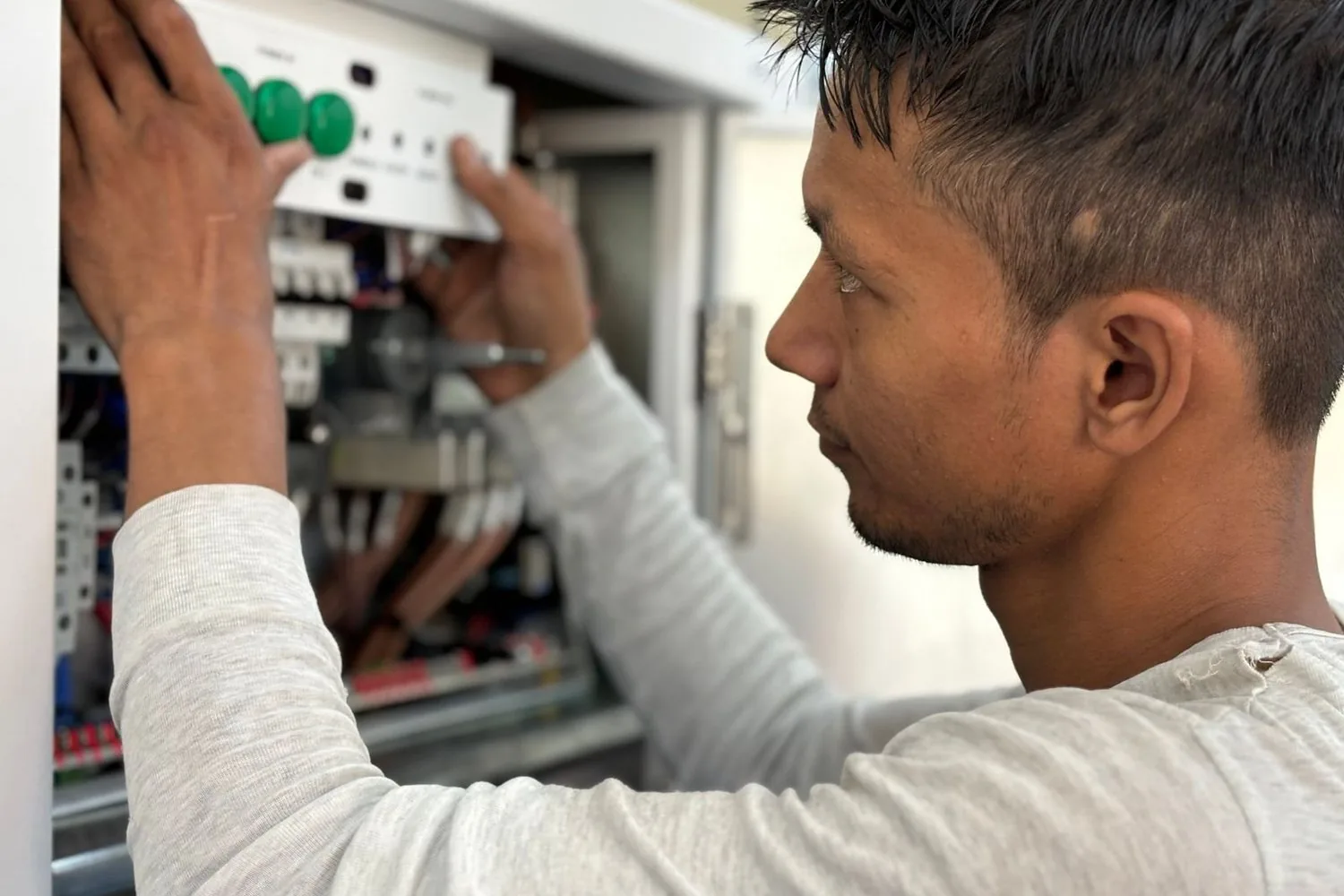
A contractor should carry public liability insurance and show you the certificate of currency. When electrical work forms part of a bigger renovation, the normal NSW building contract rules apply as well: a written contract above $5,000 including GST, a full contract with the prescribed terms above $20,000, Home Building Compensation Fund cover in place for jobs above $20,000 before any money changes hands, and a maximum deposit of 10 per cent. Statutory warranties on the work run two years for general defects and six years for major defects from completion.
What a good electrician asks before quoting
The quality of the questions tells you the quality of the sparky. Anyone can price six downlights. The electrician you want is looking at the whole house before they quote the part you asked about.
The switchboard. Is it an old board with ceramic fuses, or a modern board with circuit breakers. Is there room for more circuits. A board upgrade is common in older homes and should be quoted up front, not discovered mid job.
Safety switches. RCD safety switches cut the power in a fraction of a second when current leaks to earth. New circuits need them under the wiring rules. A good electrician will tell you if your existing circuits have none, and what it costs to protect them.
Load and supply. What the house draws now, what the new work adds, and whether the supply can carry it. Some houses on single phase supply are near their limit once an induction cooktop, a heat pump and a car charger are added.
What is coming next. An EV charger, an induction cooktop, solar panels, a home battery, ducted air conditioning or a pool pump all change the answer. Running an extra conduit or a bigger cable now, while the walls are open, costs a fraction of doing it later. We ask about the next ten years, not just this job.
Quoting clearly
There are two honest ways to price electrical work. A fixed price per point, where each power point, light, switch and data outlet has a set price and the switchboard, cable runs and any special circuits are itemised separately. Or an hourly rate plus materials, for fault finding and small jobs where nobody knows the scope until things are opened up. Both are fine. What is not fine is a single number with no breakdown.
A good quote tells you what is in and what is out: supply of fittings or just installation, cutting and patching of walls and ceilings, the CCEW, labelling the switchboard, and whether a board upgrade is included. On Leds jobs the electrical scope sits on the live cost sheet beside the carpentry and the kitchen, line by line, so you can see exactly what each point costs before anything is wired.
The sparky who turns up and the one who coordinates
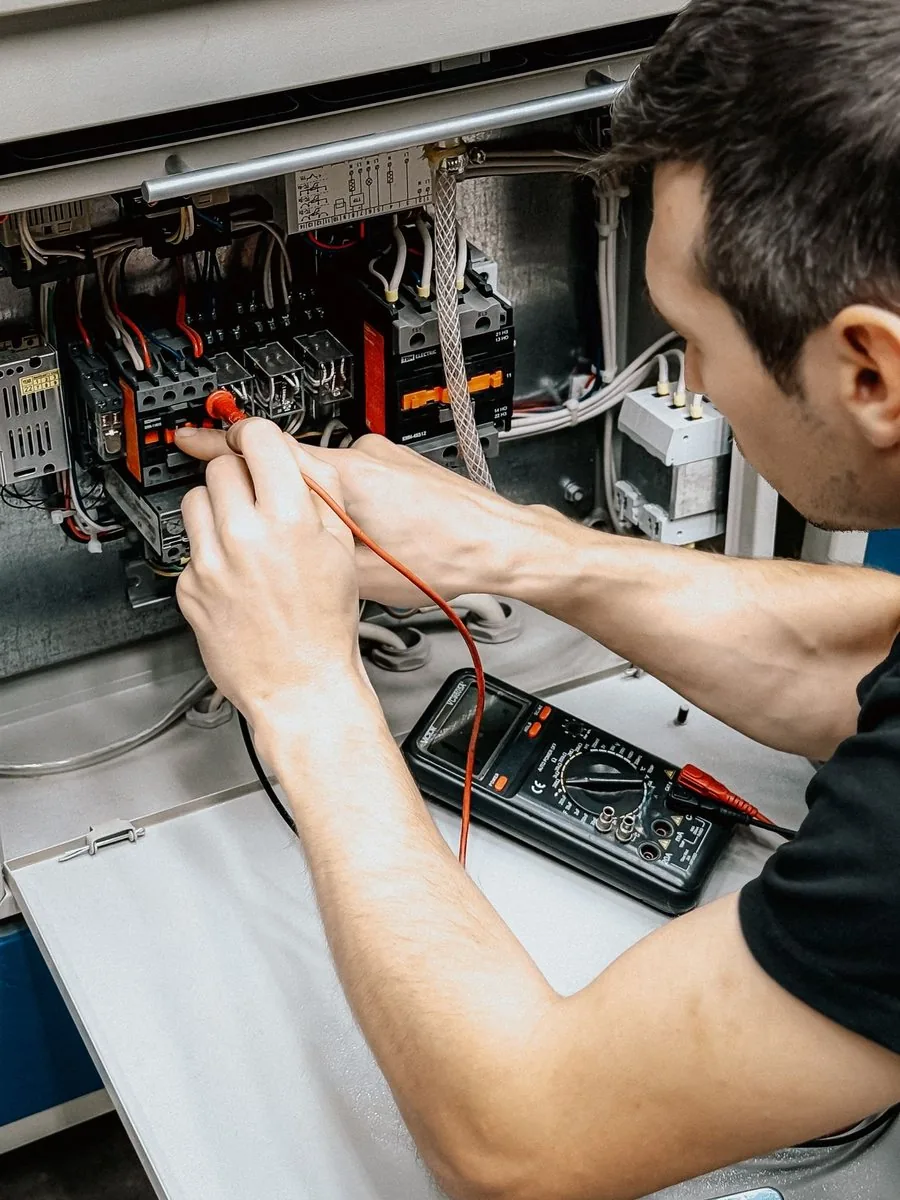
On a renovation the electrician comes twice. Rough in, after the frame and before the plasterboard, when cables are run and boxes are set. Fit off, after painting, when fittings, switches and appliances go in and everything is tested. Between those visits the plasterer, the tiler, the painter and the kitchen installer all need the electrician to have done exactly the right thing in the right place.
An electrician who takes the job in isolation can do perfect work and still cost you a fortnight, because they were not there when the kitchen cabinets were set out and the power point ended up behind the dishwasher. The one you want reads the builder’s drawings, asks where the island is going, and comes back when the builder calls. On our jobs Leds Electrical is in the site meeting with the carpentry crew, so positions are agreed before the walls are closed.
Tidy work, labelled boards and warranties
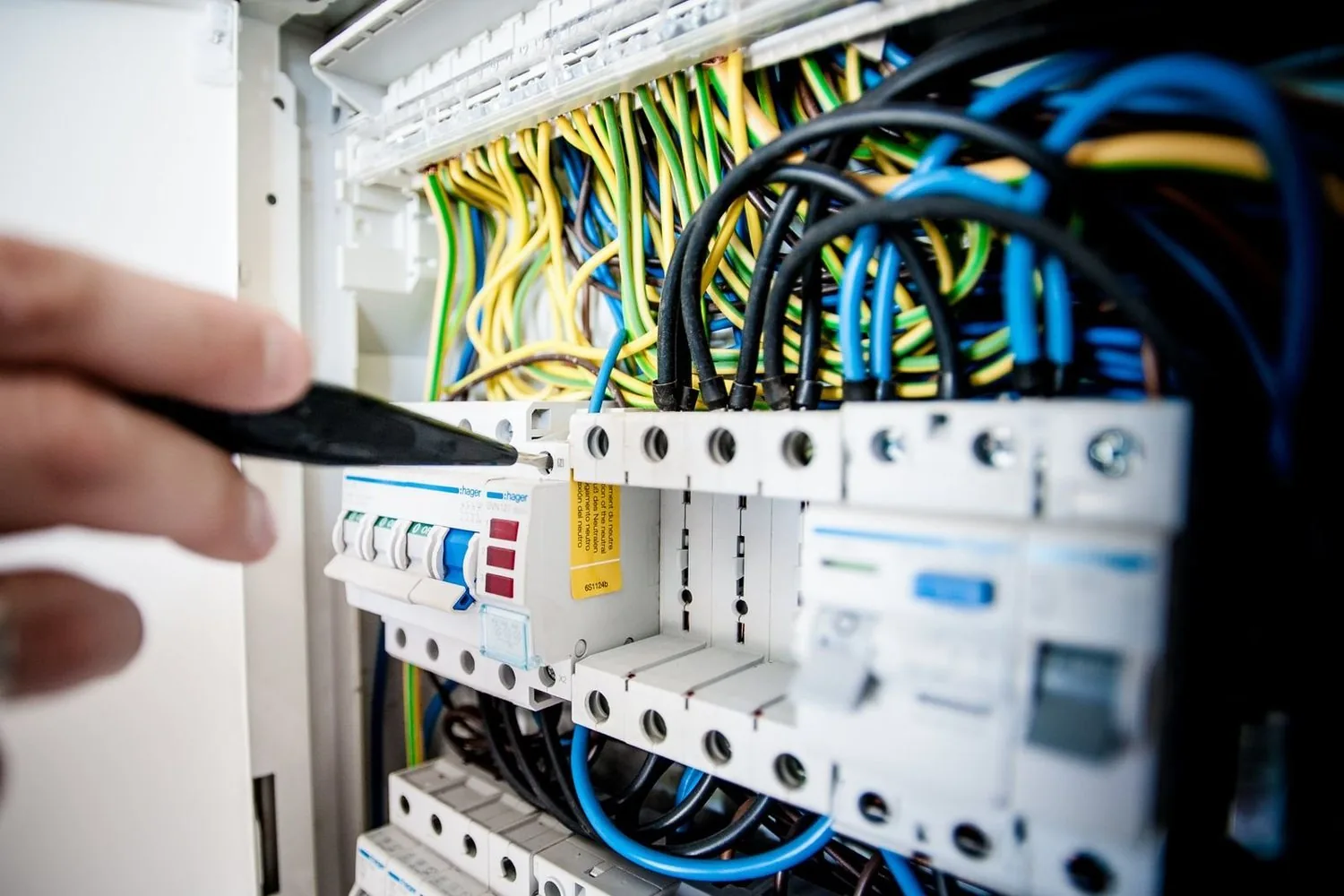
You can judge an electrician by the switchboard. Every circuit labelled in plain words, lights front, power kitchen, oven, cooktop, air conditioning, with the labels printed rather than scrawled. Cables run straight and clipped, not draped across the roof space. Holes cut cleanly and sized to the fitting. An extra hour of care there tells you how the rest of the job was done.
Ask about the workmanship warranty on top of the statutory one, and ask who to call when a safety switch trips at nine on a Sunday night. An electrician who intends to stay in business answers that question easily.
Red flags, and questions to ask
The warning signs are consistent. A cash price with no CCEW. A quote with no licence number. A refusal to look at the switchboard before pricing. A price so far below the others that the only way to hit it is to skip the testing. Pressure to decide on the spot. If one of those turns up, keep looking. Then run through this list.
- What is your electrical contractor licence number, and does the name on the register match the name on this quote.
- Will I receive the Certificate of Compliance for Electrical Work, and when will it arrive.
- Have you looked at my switchboard, and is any upgrade or RCD protection included in this price.
- Is this a fixed price per point or an hourly rate, and what exactly is included in it.
- Have you allowed for an EV charger, induction cooktop, solar or a battery later on.
- Who will actually be on site, who do I call if something fails, and what warranty do you give on your workmanship.
How Leds Electrical works
Leds Electrical is the electrical arm of Leds Construction Group. Inside a Leds job, a kitchen through Leds Kitchens, a bathroom, an extension or a new build, the electrical work is scoped with the rest of the project, priced on the same cost sheet, and done by our own licensed electricians who sit in the site meetings with the carpentry crew. There is no subcontractor margin stacked on top and no gap while we wait for someone else’s sparky to come back.
On its own, Leds Electrical takes on the same work any licensed contractor does: switchboard upgrades, safety switches, rewires in older homes, lighting and power, EV chargers, air conditioning circuits, and the fault finding nobody enjoys. Same licence, same CCEW on every job, same labelled board when we leave. Whoever you choose, hold them to the standard above. It is not a high bar. It is just the bar a lot of people do not know to look for.
This article is general information for homeowners in NSW and is not legal, financial or engineering advice. Planning rules, building standards and prices change, and every block and house is different, so confirm anything that matters for your project with your builder, certifier or council before you commit.