How Much Does a Bathroom Renovation Cost?
Bathrooms cost more per square metre than any other room in the house, and the reason is simple: in a space of five or six square metres you need a demolition crew, a plumber, an electrician, a waterproofer, a tiler, a carpenter, a glazier and a painter, most of them more than once. The materials are only part of it. What follows is the way we explain bathroom costs to clients at the first site visit, with rough ranges rather than promises, because the real number depends on the scope, the site and the finishes you choose.
A rough guide to the ranges
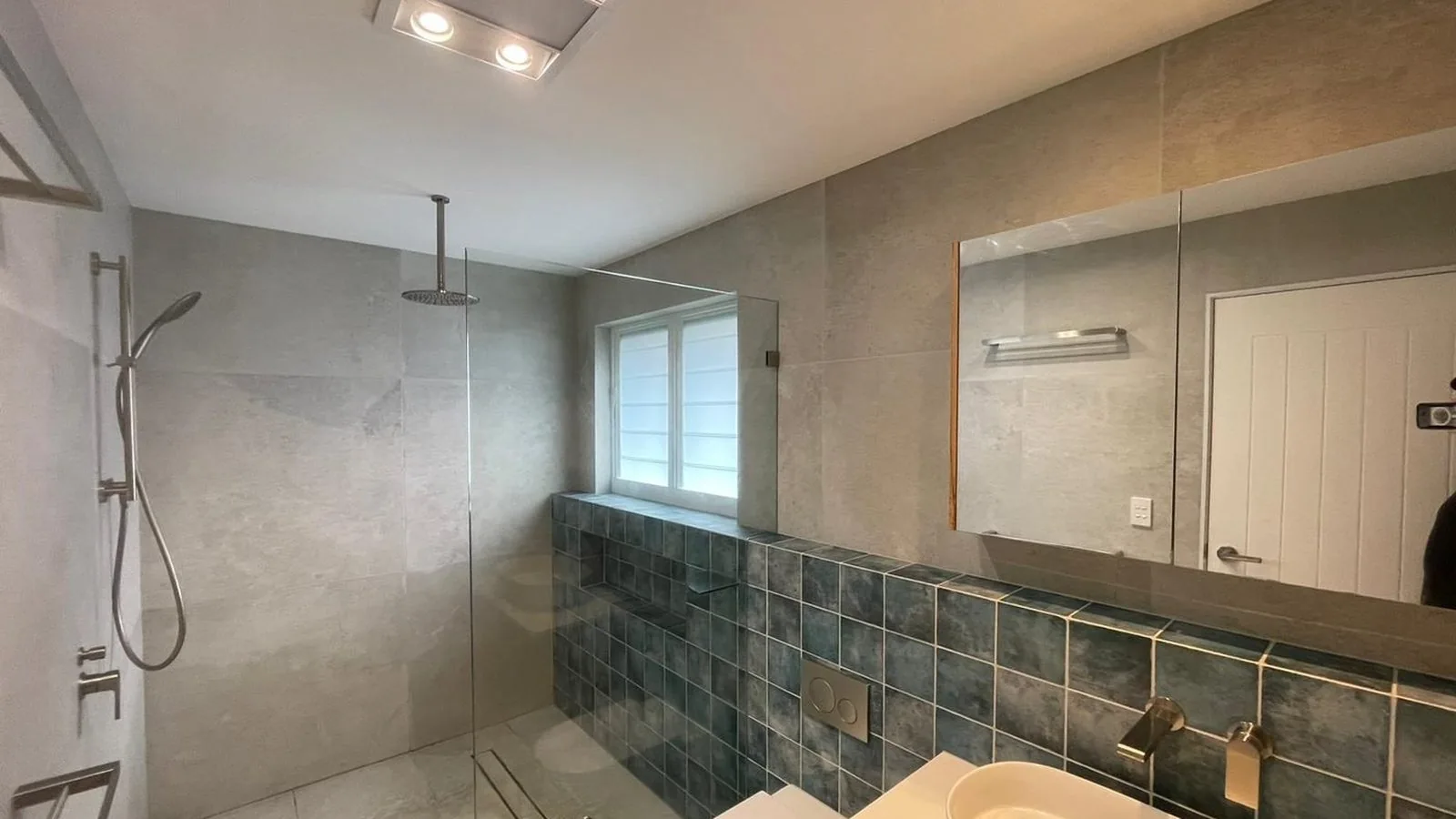
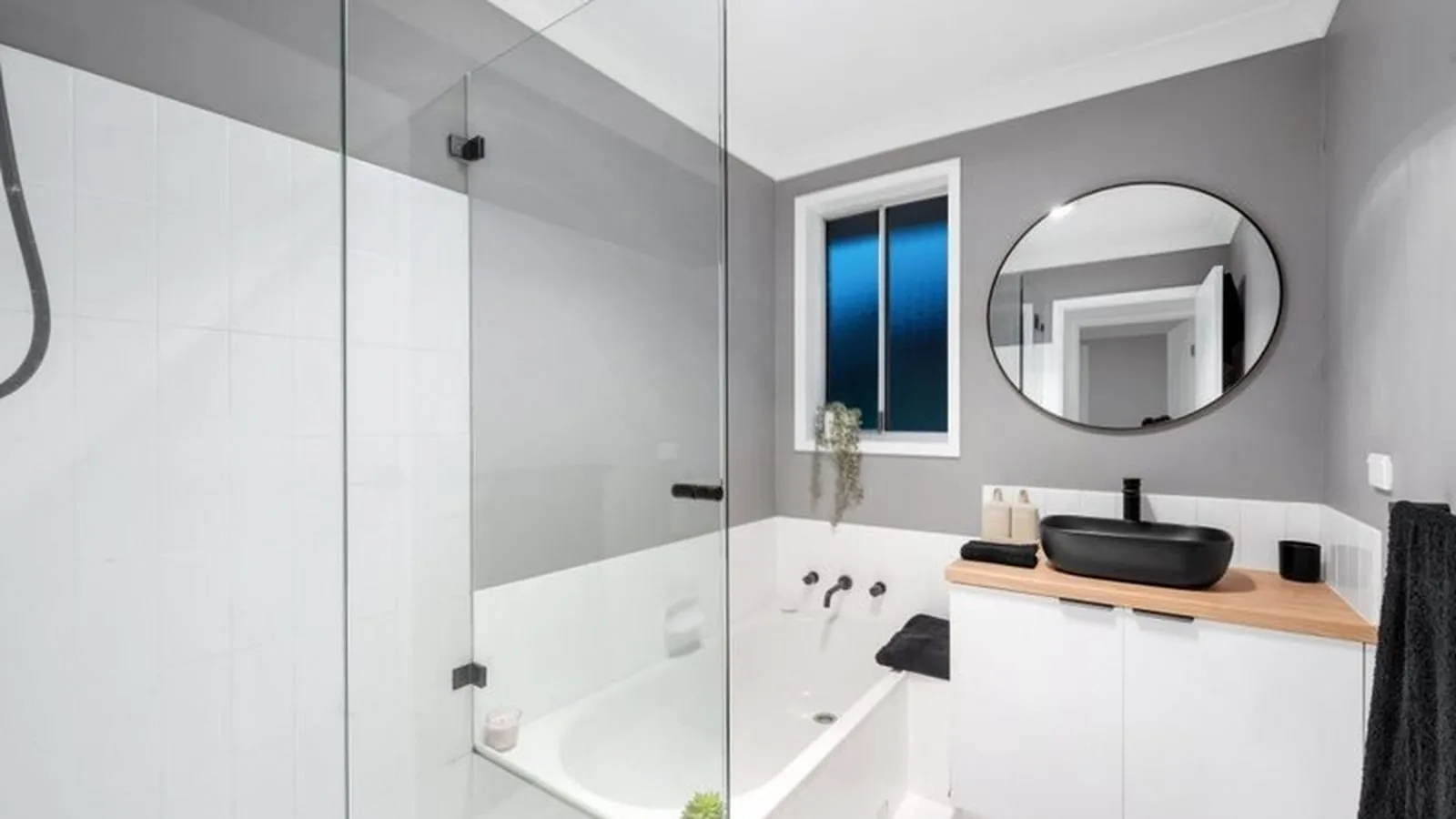
Treat these as a starting point for a bathroom in an existing house, not a quote. A cosmetic refresh that keeps the tiles and the layout and replaces the vanity, tapware, toilet, mirror and paint usually lands somewhere between $5,000 and $15,000. A full renovation in the same footprint, where the room is stripped to the frame, re plumbed, rewired, waterproofed and retiled with mid range fixtures, commonly runs from around $25,000 to $45,000. A larger bathroom, a layout change, a freestanding bath, floor to ceiling tiling or high end finishes pushes a job to $50,000 and well beyond. Every one of those numbers moves with the size of the room, the age of the house and the products you choose, which is why we price from a line by line scope rather than a square metre rate.
Why a bathroom costs what it does
The labour in a bathroom is spread across more trades than any other room, and each of those trades comes back at least twice. The plumber roughs in before the walls are closed and fits off at the end. The electrician does the same. The waterproofer needs the room empty and dry, then the tiler needs the membrane cured, then the glazier needs the tiles finished before measuring the screen. Every one of those visits is a half day or a day of a licensed trade, and they have to happen in order. That sequencing, more than any single item, is why a small room carries a big price.
Where the money actually goes
On a typical full renovation the trades and labour take up well over half the total, with the fixtures, tiles and fittings making up the rest. This is roughly how it splits on our cost sheet.
Demolition and disposal. Stripping a bathroom to the frame, carting it out and paying for the skip is a day or two of labour. If the house is from before 1990 the wall sheets and vinyl may contain asbestos, which turns a cheap strip out into licensed removal with SafeWork NSW notified.
Plumbing. A licensed plumber renews the drainage and water lines, fits a tempering valve so the hot water to the bathroom is limited to 50 degrees, installs the floor waste and fits off every fixture, then lodges a Certificate of Compliance. Keeping the fixtures where they are keeps this cost down. Moving the toilet or the shower waste on a concrete slab is where plumbing bills jump.
Electrical. New lighting, an exhaust fan ducted to outside, a heated towel rail, power points placed to the wiring rules and an RCD safety switch on every circuit, with a CCEW at the end. Underfloor heating and feature LED strips add to it. Leds Electrical does this in house.
Waterproofing. The smallest line on the sheet and the most important. A licensed waterproofer membranes the shower walls to at least 1800 mm, the shower floor and the rest of the floor where the rules require it, to the NCC and AS 3740, and gives you a certificate.
Tiling. Usually the biggest labour item. The price moves with the area, the tile size, the pattern, how many mitred edges and niches there are, and whether you tile to the ceiling. Floor tiling takes more preparation than walls because of the screed and the falls.
Carpentry, glass and paint. Framing for niches and wall hung fixtures, sheeting, the door, the shower screen in toughened safety glass, the mirror and a moisture resistant paint finish round it out.
The five things that move the price most
Size is the obvious one, but it is rarely the biggest. Moving plumbing is the first thing we ask about, because a shower that stays on the existing waste costs a fraction of one that needs the slab cut. Finishes are the second, and the gap between a mid range tile and a handmade one, or a standard vanity and a custom stone top, can be the price of a holiday. The age of the house is third, bringing asbestos, out of plumb walls that need straightening and timber floors that need repairs once the old tiles come up. Access is fourth: a bathroom upstairs in a terrace with no side path means every bag of screed and every broken tile travels by hand. And layout changes that touch structure, or add a window, bring a certifier and an engineer into the job.
The costs people forget
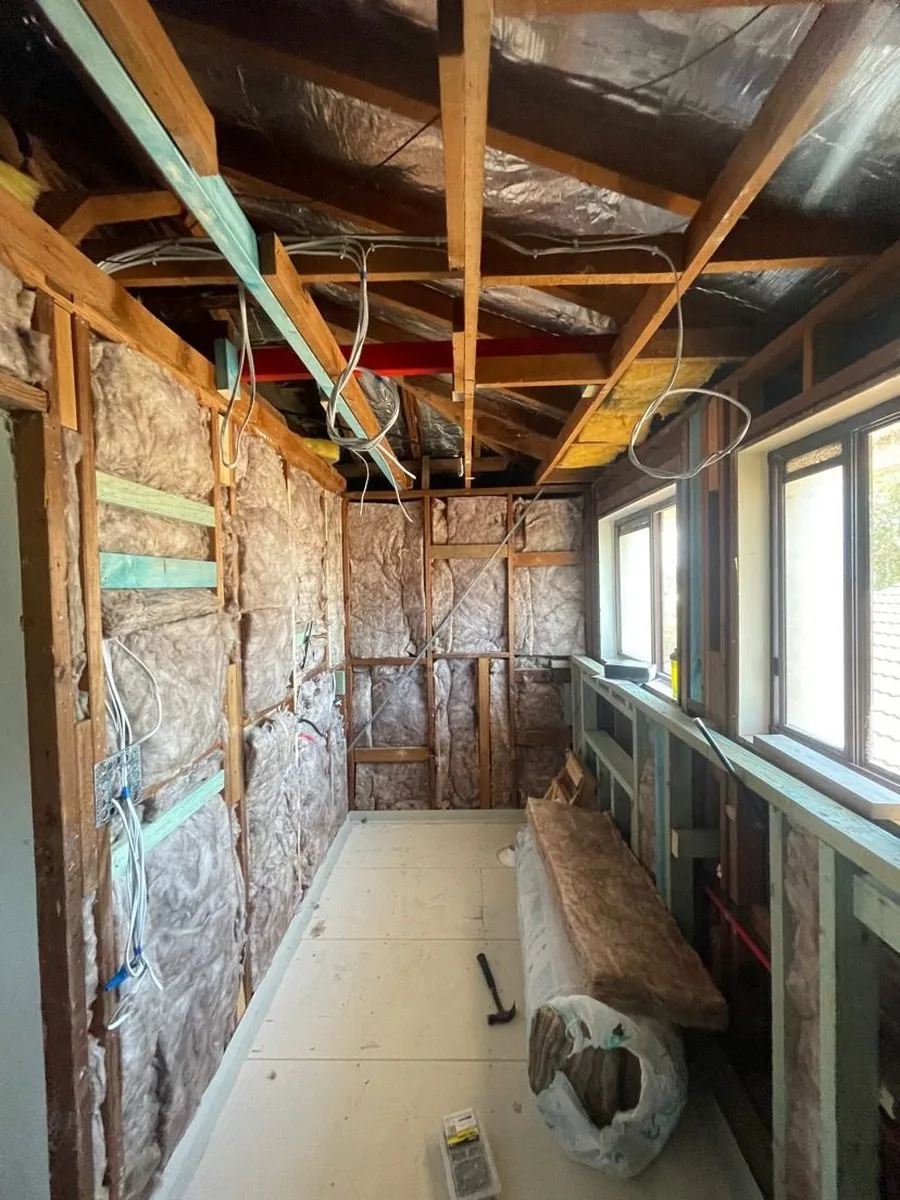
The number on the quote is rarely the number that catches people out. It is the things around it. An asbestos test and removal if the sample comes back positive. A rotten subfloor under the old shower that nobody could see until the tiles came up. Tile wastage of 10 to 15 percent for cuts and breakages, more for diagonal or herringbone layouts. A temporary shower arrangement if it is the only bathroom in the house. A strata by law if you are in a unit, which takes time as well as money. A private certifier if the job needs a CDC. A hot water system that cannot keep up with a rain head. We put the ones we can predict into the Project Proposal as provisional sums so they are visible, and we tell you about the ones we cannot predict before we start.
How to bring the number down without it looking cheap
Keep the plumbing where it is, or close to it. A linear drain can often sit over an existing bath or shower waste and save the slab work entirely. Choose standard tile sizes in a simple layout and put the expensive tile where you see it, in the shower niche or one feature wall, rather than everywhere. Tile the wet areas and paint the rest. Pick your prime cost items early so nothing is ordered twice and nothing holds up the tiler. Order a floor stock vanity instead of custom joinery if the sizes work. On larger jobs Leds Sourcing can import tiles, tapware and vanities directly, checked to Australian standards, which takes a real chunk out of the materials line. None of these touch the parts that matter, which are the waterproofing, the plumbing and the electrical, and those are the three places we will never recommend going cheap.
How we price a bathroom
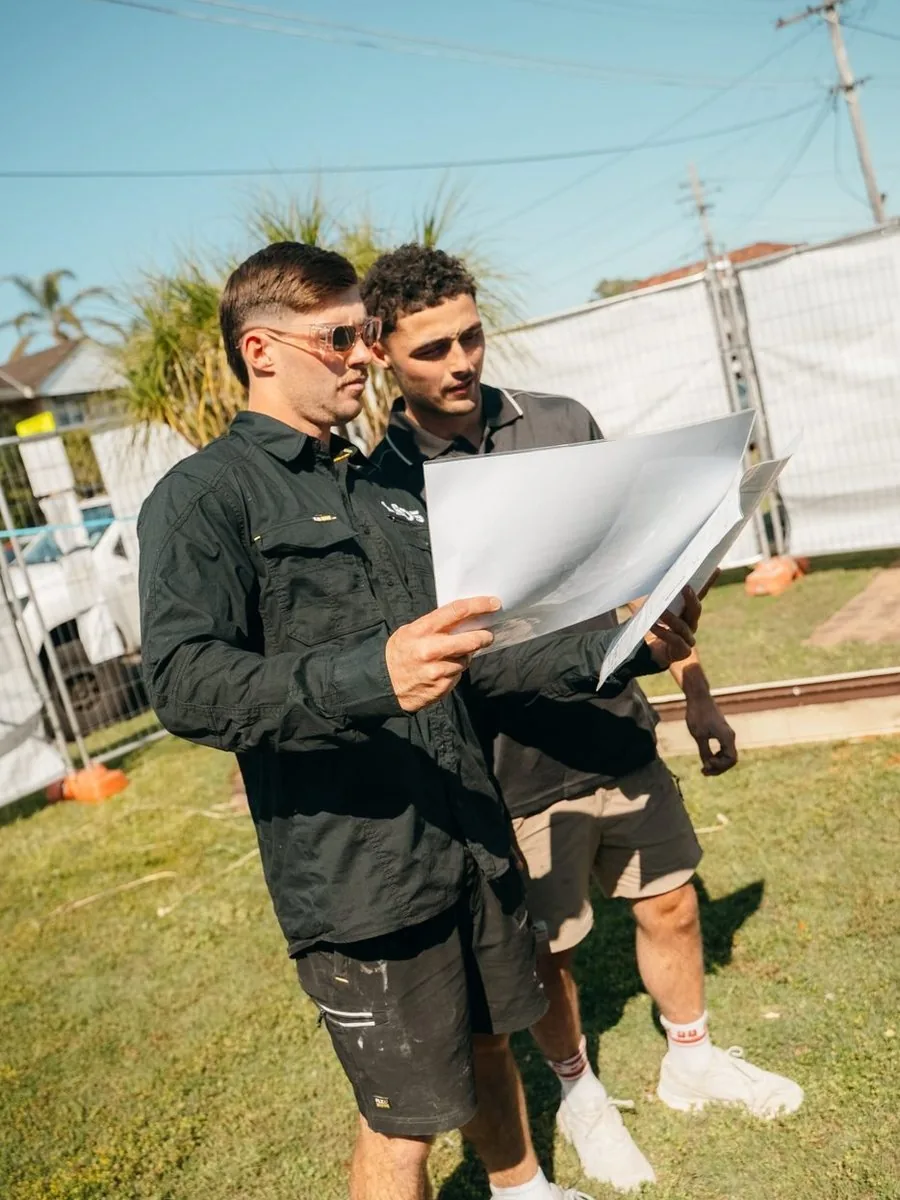
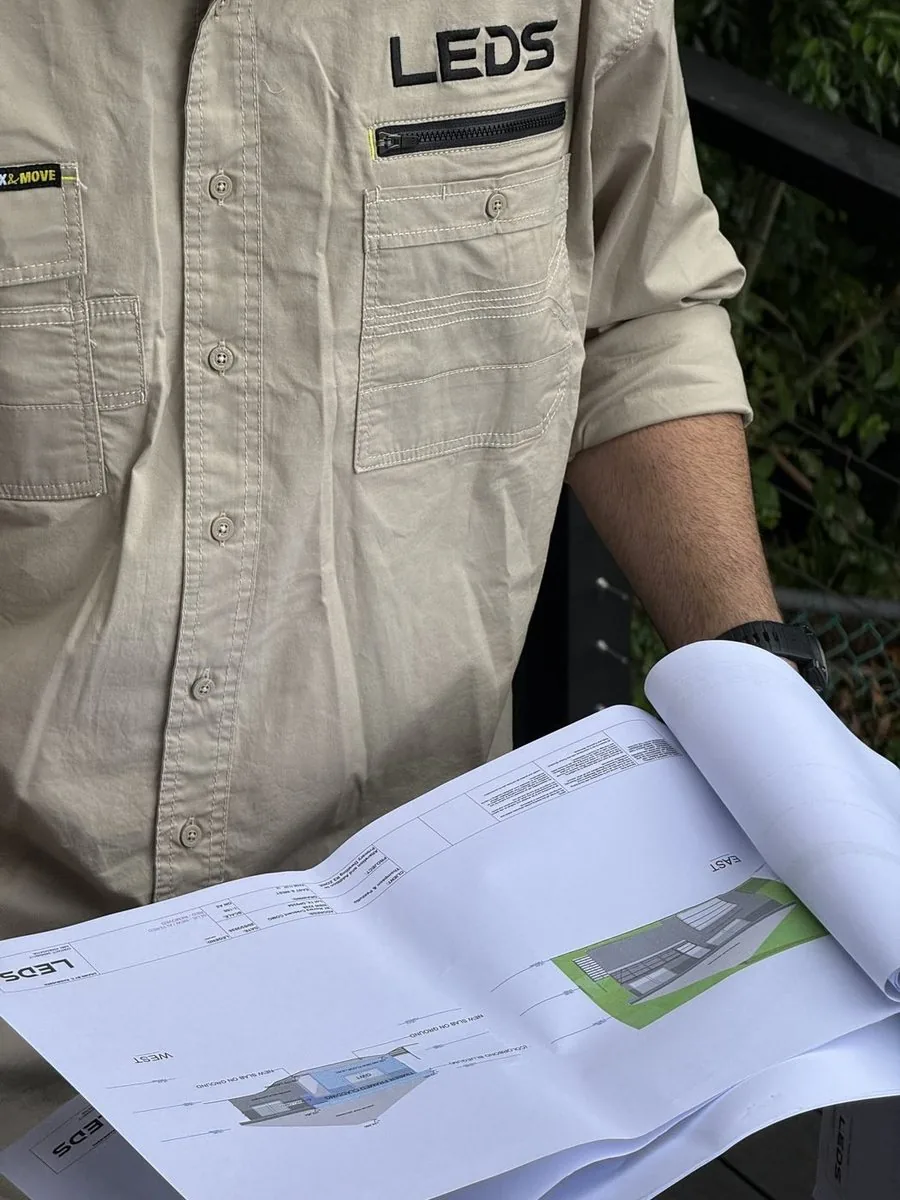
Every Leds bathroom is estimated on the Leds cost sheet after a site visit, with the plumber’s and electrician’s input before the number is written down. You receive a Project Proposal that sets out the scope line by line, with prime cost allowances for anything not yet chosen and provisional sums for anything we cannot see yet. If you want a fixed price, the price is locked except for variations and those allowances. If the house is old and full of unknowns, a cost plus contract can suit better, and on those jobs the foreman updates the cost sheet daily so you can see every cost as it lands and a weekly review keeps the budget and timeline in front of you. Either way you know what you are paying for before the first tile comes off the wall, and you find out about changes when they happen rather than on the final invoice.
Getting a number you can trust
The honest answer to the question in the title is that a good bathroom in NSW costs what a good bathroom costs, and the cheap ones are usually the ones you pay for twice. Decide on the scope, be realistic about finishes, keep a contingency and ask for a line by line proposal from a licensed builder who can show you exactly where the money goes. That is how we run every bathroom, and it is why our clients rarely get a surprise at the end.
This article is general information for homeowners in NSW and is not legal, financial or engineering advice. Planning rules, building standards and prices change, and every block and house is different, so confirm anything that matters for your project with your builder, certifier or council before you commit.