Do You Need Council Approval for a Bathroom Renovation?
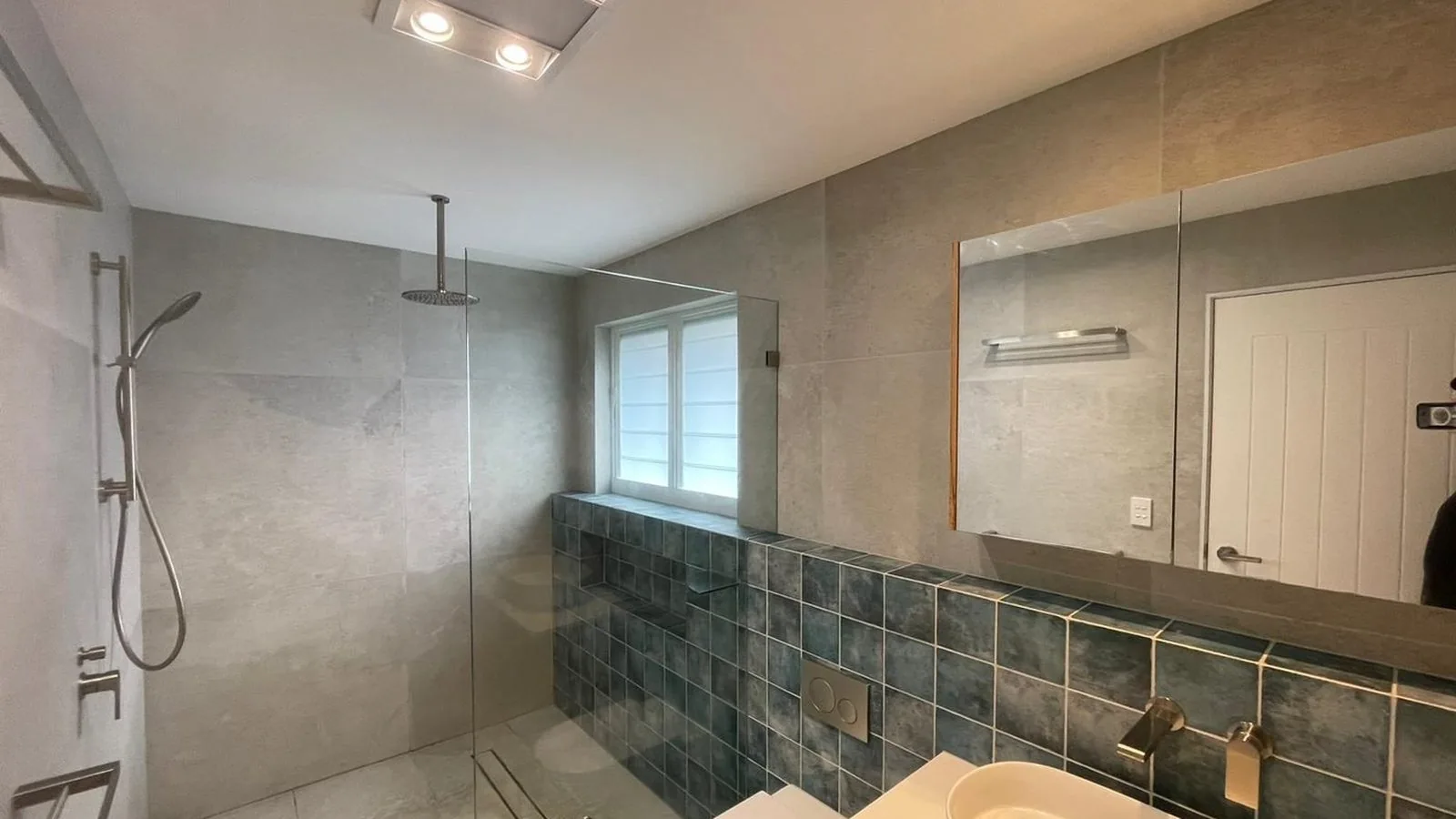
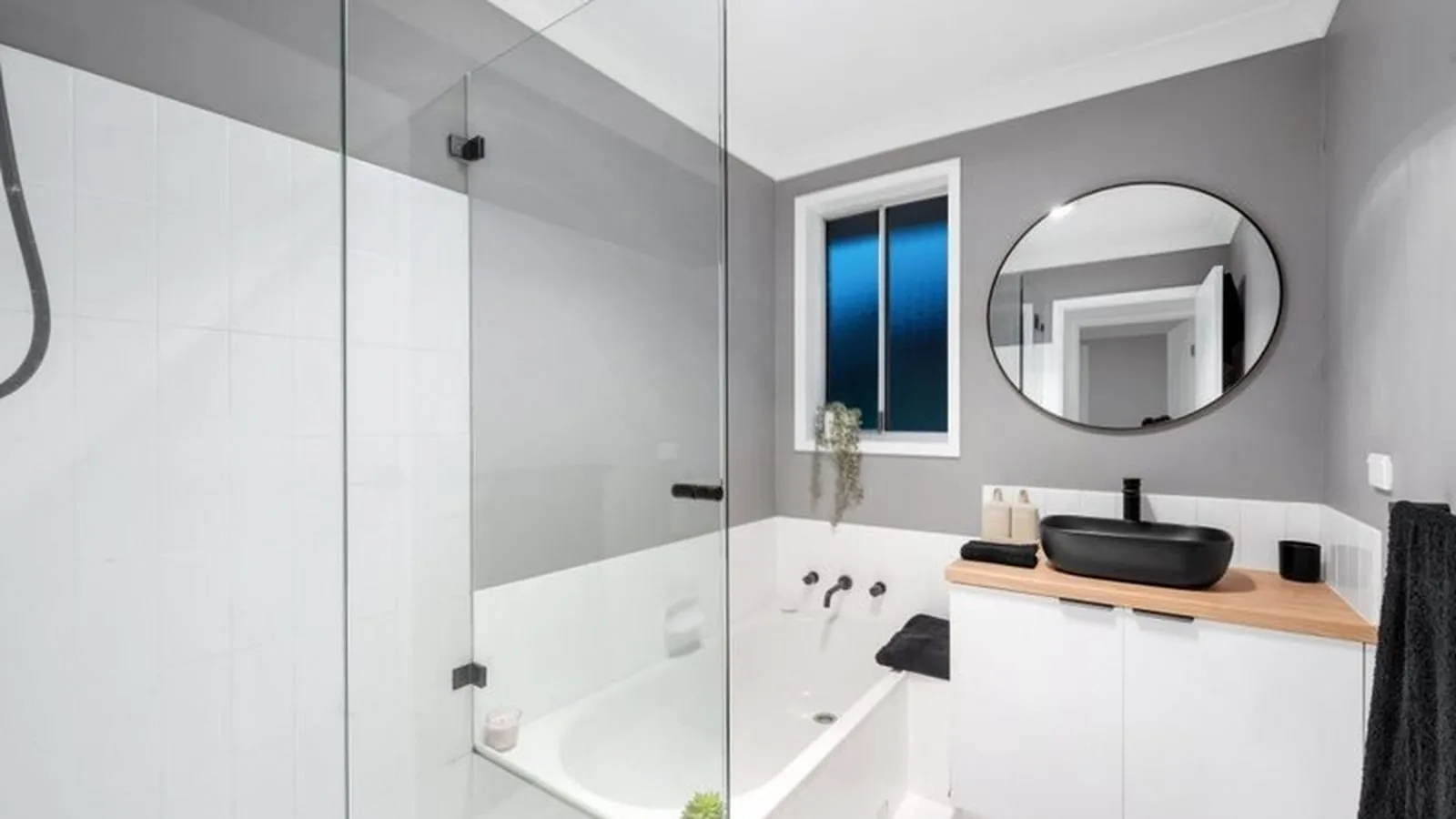
Short answer: for most bathroom renovations in NSW, no, you do not need council approval. If you are pulling out the old fixtures and tiles and putting a new bathroom back into the same room, in the same footprint, the work usually sits under exempt development. The longer answer is that a handful of common changes push a bathroom out of that category, and even a fully exempt bathroom still has to be built by licensed trades and certified. This is how we work out which side of the line a job falls on before anything goes onto the cost sheet.
The three approval pathways in NSW
Every building job in NSW is approved one of three ways. Exempt development needs no approval at all, provided the work meets every condition in the State Environmental Planning Policy (Exempt and Complying Development Codes) 2008, which everyone in the trade calls the Codes SEPP. Complying development needs a Complying Development Certificate, a CDC, issued by a private certifier or council against a fixed set of rules, usually in weeks. Anything that cannot fit either of those goes through a Development Application assessed by council, which takes months and involves notifying the neighbours. A bathroom renovation inside an existing house almost always lives in the first category. The job is knowing what drags it into the second or third.
Why a like for like bathroom is usually exempt
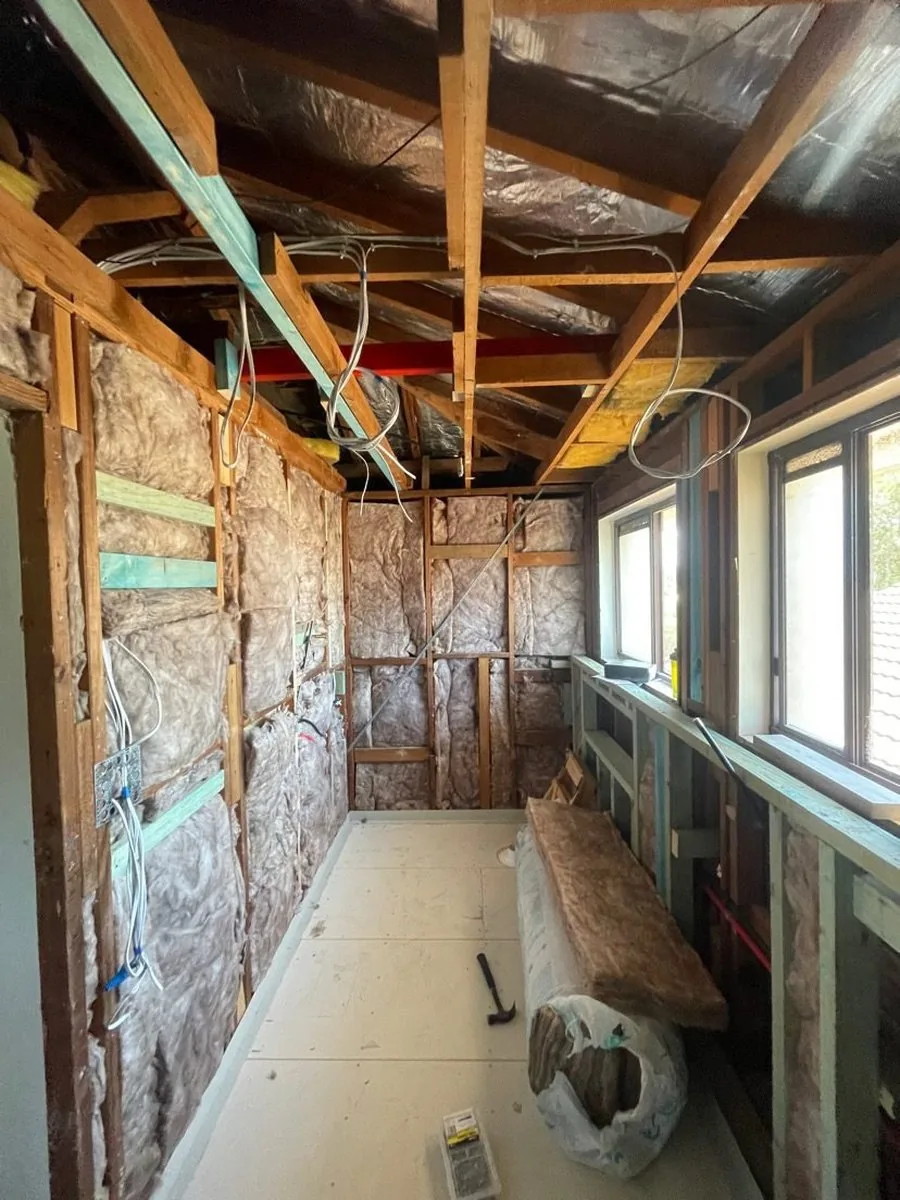
The Codes SEPP treats internal alterations to a house as exempt development when they are non structural, do not reduce fire safety, do not add floor area, do not change what the building is used for, are not on a heritage item and comply with the National Construction Code. A standard bathroom renovation ticks every one of those boxes. You strip the room back to the frame, renew the plumbing and wiring, waterproof, tile and fit off new fixtures. The walls stay where they are, the structure is untouched and the house is still a house. That is the position for a freestanding house. Townhouses, villas and units add a strata layer on top, which we cover further down.
The changes that tip a bathroom into CDC or DA territory
Most bathrooms we price start as a simple refresh and grow during the design conversation. Each of the changes below is common, and each one changes the approval answer.
Moving or removing a wall. Most bathroom walls are stud walls carrying nothing but plasterboard, and shifting one to borrow space from a hallway can still be exempt as long as nothing structural changes. If the wall is carrying roof or floor load, which is common in older brick veneer and double brick homes, the work needs a CDC or a DA with an engineer’s design behind it. We check this on site before we price a job.
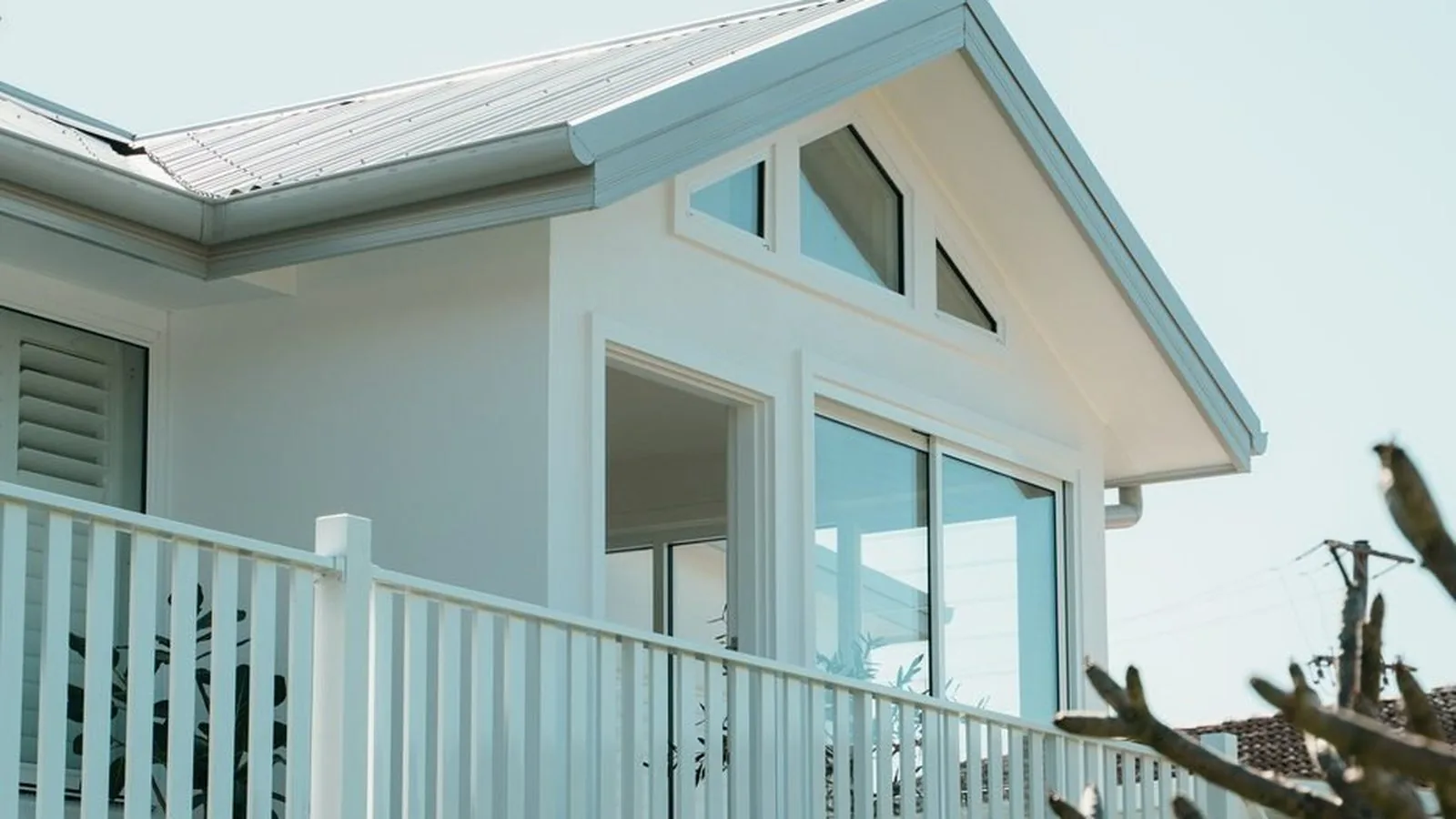
A new window in an external wall. Cutting a fresh opening in an outside wall is an external alteration rather than an internal one. It affects the structure, the cladding and sometimes a neighbour’s privacy. Treat it as work that needs approval, usually a CDC, and have a certifier confirm it before you order the window.
Changing the floor area. Pushing out an external wall to fit a bath, or building a bathroom into part of a verandah, adds floor area. That is an extension, and it goes through the CDC or DA process with a BASIX certificate attached where one applies.
Heritage. If the house is a heritage item, or sits inside a heritage conservation area, the exempt provisions tighten up a lot. A Section 10.7 planning certificate from council tells you whether heritage applies to your lot, and it is worth ordering before the design gets too far along.
Strata buildings. Units, townhouses and villas in a strata scheme need the owners corporation’s approval regardless of what council thinks. Under the NSW strata rules, work that touches the waterproofing is not treated as a minor renovation, so a bathroom strip out generally needs a by law passed at a general meeting, not just a nod from the strata manager. The membrane and often the floor tiles are common property. Get the by law sorted before you book trades, because the meeting cycle can take longer than the renovation itself.
What still has to be certified, approval or not
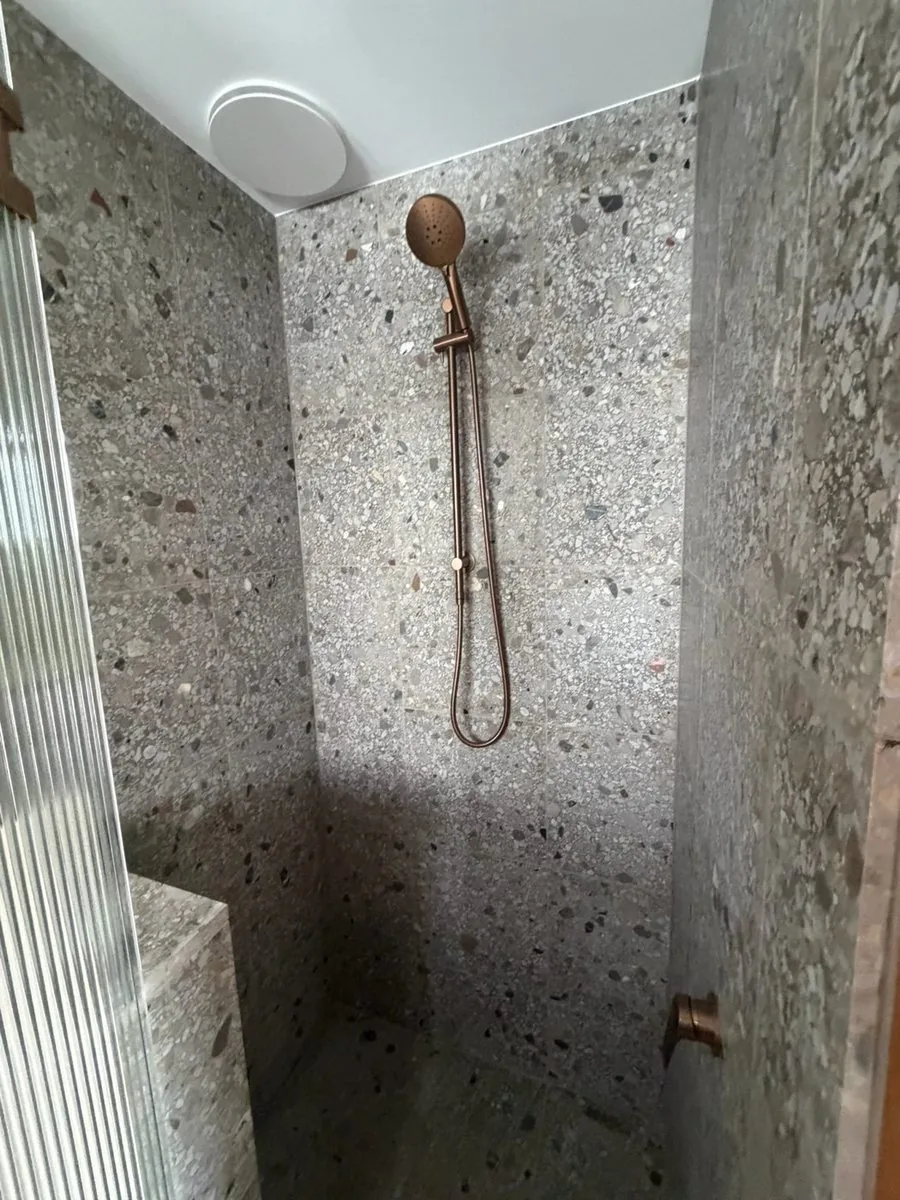
Exempt means you do not need planning approval. It does not mean anyone can do the work. Under the Home Building Act 1989, residential building work worth more than $5,000 including GST must be done by a licensed contractor, and three parts of a bathroom carry their own certification on top of that.
Waterproofing. The membrane has to be applied by a licensed waterproofer, or a builder holding that licence, to the NCC and AS 3740. You should receive a written certificate naming the product, the applicator and the date. It is the single most important piece of paper in a bathroom.
Plumbing and drainage. A licensed plumber does the work and lodges a Certificate of Compliance for it, and you get a copy. That covers the new drainage, the water supply, the hot water tempering valve and the connection back into the existing stack.
Electrical. A licensed electrician issues a Certificate of Compliance for Electrical Work, the CCEW, for every new circuit, light, exhaust fan, heated towel rail and power point. Leds Electrical does ours in house, so the certificate comes from the same company that built the rest of the bathroom.
If the job does go through a CDC, the private certifier also inspects the waterproofing before the tiles go down and issues the final certificate at the end.
Paperwork worth having even when no approval is needed
Nobody asks for council approval when you sell a house, but a buyer’s building inspector and conveyancer will ask who renovated the bathroom and whether it was done properly. A bathroom with no plumbing, waterproofing or electrical certificates is a question mark against your sale price, and a leaking shower is one of the most common defects turned up in pre purchase inspections. Keep the contract, the HBCF certificate of insurance for any job over $20,000, the trade compliance certificates, the waterproofing certificate and the product warranties together in one folder. If there is genuine doubt about whether your job is exempt, a private certifier can give you written advice confirming it. That letter costs a little and settles the question for good.
The 60 second self check
Run through these before you spend money on a design.
- Are the walls, the door and the window all staying exactly where they are? If yes, you are probably exempt.
- Does any wall you want to touch carry roof or floor load? If you are not sure, get a builder or an engineer to look first.
- Are you adding a window, moving an external door or pushing out an external wall? Any of these needs a CDC or a DA.
- Is the house a heritage item or inside a conservation area? Check the Section 10.7 certificate, because heritage changes the answer.
- Is the property in a strata scheme? If yes, you need the owners corporation’s approval and almost certainly a by law before anyone picks up a hammer.
- Will the plumbing, electrical and waterproofing be done by licensed trades who hand you certificates? If not, council approval is the least of your worries.
If every answer lands on the easy side, you can price the job without a certifier. If any one of them does not, get the approval question answered before the design is finished. A bathroom drawn on the assumption it is exempt and then found to need a DA can lose you months.
How we handle the approval question
When we quote a bathroom we walk the site, work out what the walls are doing and ask every one of the questions above before a single line goes onto the cost sheet. If the job is exempt, we say so, and the Project Proposal lists the certificates you will receive at handover. If it needs a CDC, Leds Design can prepare the drawings and manage the certifier, and that cost sits in the proposal as its own line so there are no surprises halfway through. Either way, the plumbing, waterproofing and electrical are done by licensed trades, most of them our own crew, and the paperwork is handed over with the finished bathroom.
This article is general information for homeowners in NSW and is not legal, financial or engineering advice. Planning rules, building standards and prices change, and every block and house is different, so confirm anything that matters for your project with your builder, certifier or council before you commit.