CDC vs DA: Which Approval Path Is Right for Your Project?
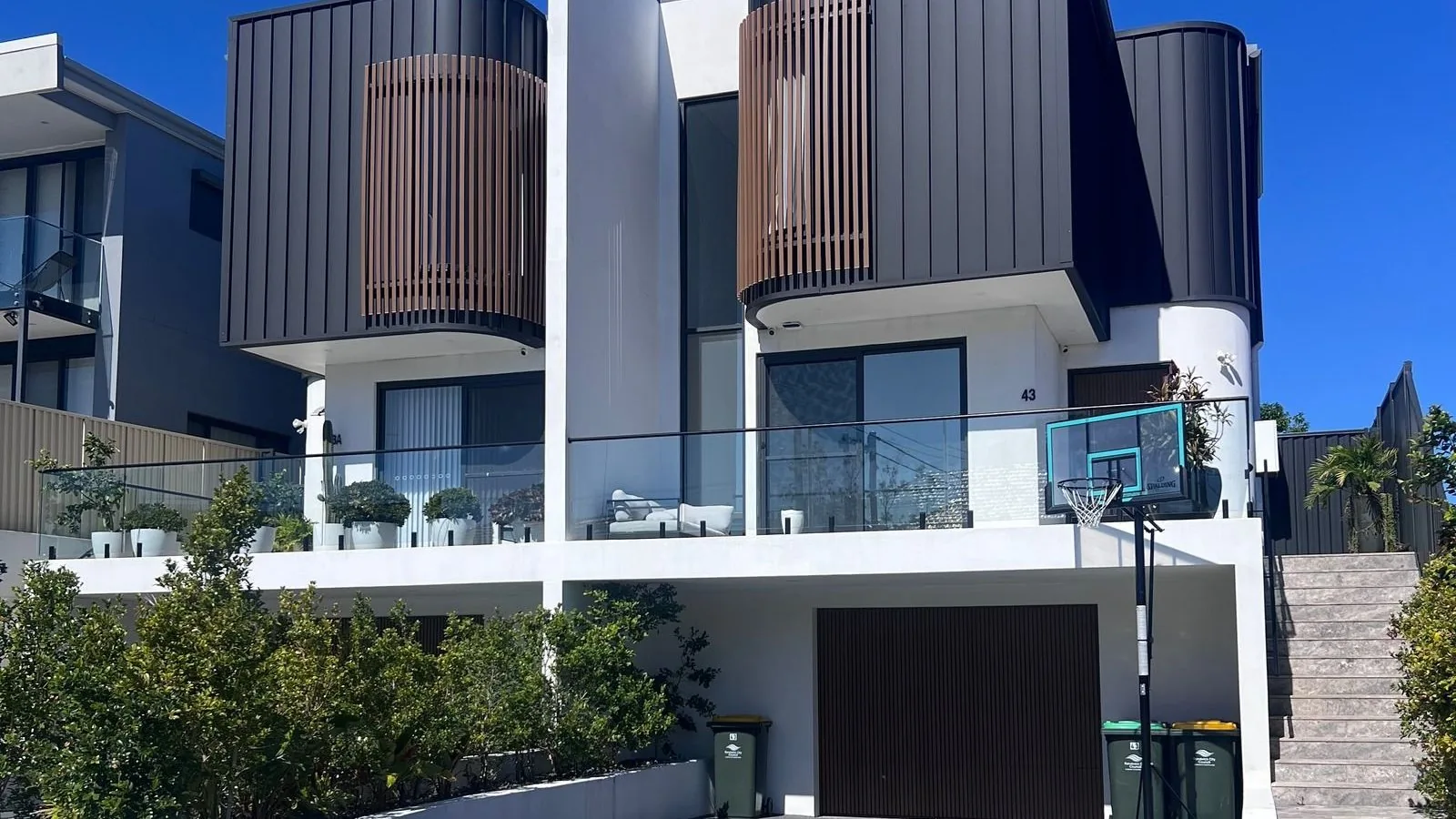
Before a single wall is drawn, there is a decision that shapes the budget, the timeline and sometimes the design itself: whether the job goes through a Complying Development Certificate or a Development Application. Clients often arrive assuming one or the other. In practice the site decides, and it has usually made up its mind before you have. Here is how the two paths work in NSW, what pushes a project from one to the other, and how we pick a path without wasting months.
Two paths, two different questions
A CDC asks one question: does the design meet every numerical standard in the State Environmental Planning Policy (Exempt and Complying Development Codes) 2008, the Codes SEPP? If it does, a private certifier or council issues the certificate, and it covers both the planning and the construction approval in one document. There is no judgement call and no argument. There is also no flexibility. Miss one standard by 100 mm and the answer is no.
A DA asks a different question: is this development acceptable on this site, taking everything into account? Council assesses it on merit against its Local Environmental Plan and Development Control Plan, the neighbours get a say, and the planner can weigh a breach of one control against a benefit somewhere else. That flexibility is the point of a DA, and also why it takes months rather than weeks. Below both sits exempt development, which needs no approval for small works like a low deck or a like for like bathroom, provided every condition in the Codes SEPP is met.
When a CDC is on the table
The Housing Code within the Codes SEPP covers most of what a homeowner wants to build: a new house, alterations and additions, a first floor, a granny flat under the Housing SEPP, a pool, a shed or a carport. The standards it checks are the ones you would expect. Minimum lot size and width, the 8.5 m height limit for a house, setbacks that scale with the lot, limits on floor area and site coverage, minimum landscaped area, privacy measures for upper floor windows, and parking. If the lot is in a residential zone, is not caught by an exclusion below, and the design fits inside every one of those numbers, a certifier can usually issue the CDC within a few weeks of receiving complete documents.
That last part matters. A CDC is only fast when the application is complete: architectural drawings, structural engineering, a BASIX certificate, stormwater design and any reports, all lodged together on the NSW Planning Portal. A DA can go in with planning level drawings and the engineering done later. A CDC cannot, so some of the time it saves at approval is spent earlier in documentation.
What rules a CDC out
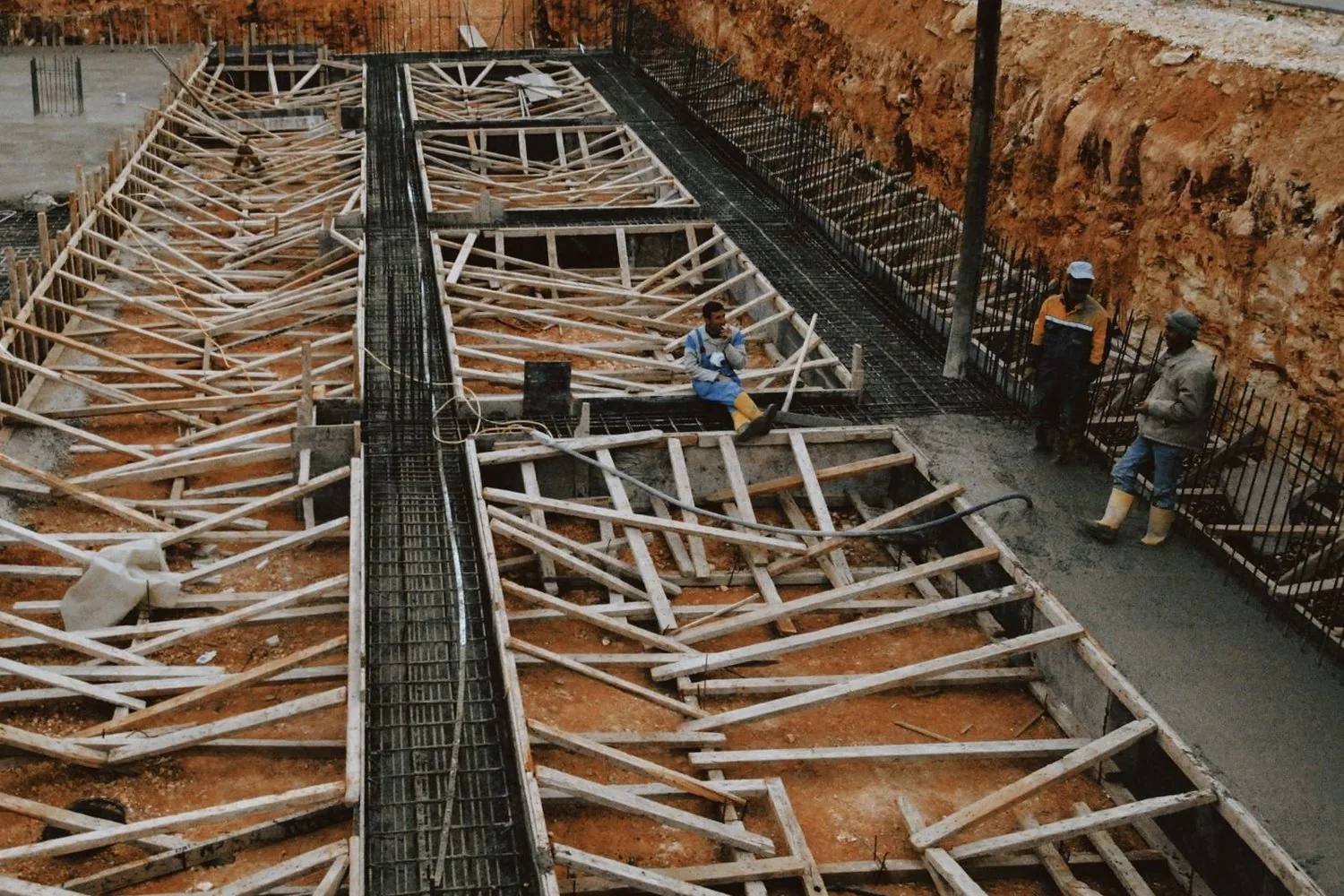
This is where the Section 10.7 planning certificate earns its keep. Order it from council before you pay a designer, because it lists the constraints that take a CDC off the table. A heritage item is out. A heritage conservation area restricts complying development heavily, and a certifier should confirm what, if anything, is still possible. Land in the highest bushfire attack categories is out. Flood control lots carry extra conditions and some are excluded entirely, as is some environmentally sensitive and foreshore land. Then there are the quieter disqualifiers: a lot that is too small or too narrow, a design that needs the height limit relaxed by even a little, a setback that cannot be met because of where the existing house sits, or a site so steep the cut and fill limits cannot be achieved. Any one of these, and you are writing a DA.
When a DA is the better path
A DA is compulsory when the CDC path is closed, but it is sometimes the better choice even when a CDC is available. If the design that suits the site breaches a numerical control, for instance a slightly taller wall on a sloping block to get level floors, a DA lets you argue the case with a written variation request. If the site is heritage listed, a DA is the only option and the design should be developed with that in mind. If the block is steep, odd shaped, or sits awkwardly against a neighbour’s windows, a merit assessment can land a better house than squeezing the design into the code.
A DA comes with its own paperwork. A Statement of Environmental Effects explains how the design responds to the site and the controls, and specialist reports are added as the site demands: bushfire, flood, geotechnical, arborist, heritage or acoustic. A town planner is worth the fee when the design relies on a variation or the neighbours are likely to object.
Time, cost and the neighbours
As a rough guide, a CDC is usually determined within a few weeks of a complete lodgement, and a DA takes months. Straightforward DAs on uncontested sites sit at the faster end. Anything with objections, a variation request, heritage or bushfire runs longer, and a complex DA can take the better part of a year once council requests for more information are counted. Ask your certifier and council for current timeframes.
On cost, a DA is normally dearer. Council application fees scale with the value of the works, the Statement of Environmental Effects and specialist reports have to be written, the design process runs longer, and a planner may be needed. A CDC still needs full construction documentation and the certifier’s fee, but fewer reports and less time. On the neighbours, the difference is the right to object. Under a DA they are formally notified, can lodge submissions, and council must consider them. Under a CDC they are notified and given written notice before work starts, but cannot stop a compliant application. That is a relief on some streets and friction on others, so have the conversation over the fence either way.
What happens if it goes wrong
A certifier who cannot issue a CDC will tell you which standard the design misses. The fix is to amend the design to comply, or keep the design and switch to a DA. A DA that council refuses, or has not determined within the statutory period, can be reviewed by council or appealed to the NSW Land and Environment Court. Get a planner or lawyer to advise before you go down that road, because it is slow and not cheap. Changes after approval differ too. A DA change goes back to council as a modification application, quick for minor amendments and a full reassessment for major ones. A CDC change goes back to the certifier, and if the amended design still complies it can be dealt with without starting again.
How we pick a path for a client
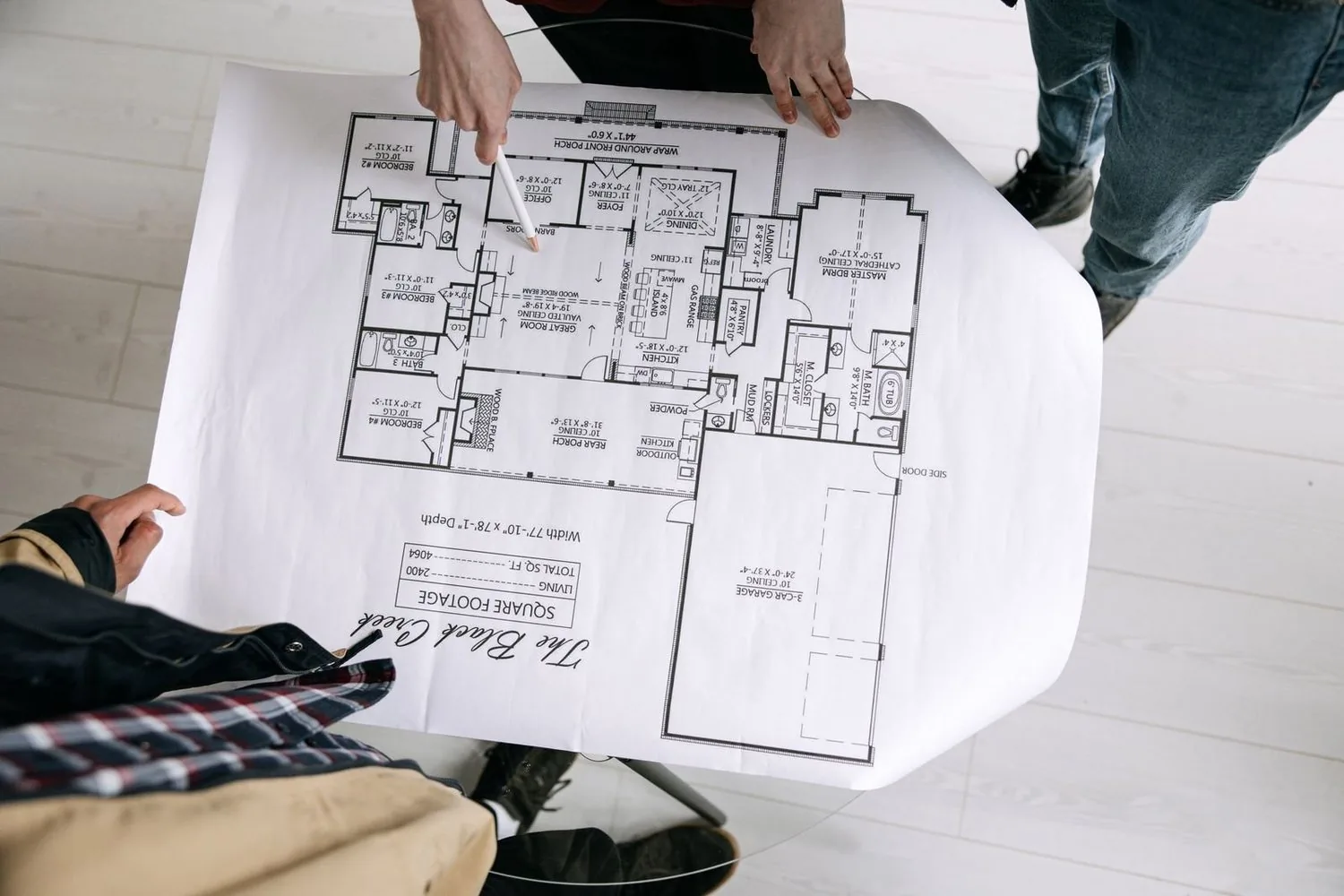
At Leds Design the first job on any project is the desktop check: the Section 10.7 certificate, the zoning, the lot dimensions, the LEP and DCP controls and the Codes SEPP standards, laid against what the client wants to build. From that we can usually say within a week whether a CDC is realistic, and whether chasing one would bend the design out of shape. Where the brief fits the code, we design to it deliberately, because weeks instead of months is worth a lot to a family paying rent while they wait. Where the site wants a DA, we say so early and plan around it.
The other half of the decision is money. Because our estimator sits in the design meetings, the concept goes onto the live cost sheet before the approval path is locked, so the client can see what the CDC version and the DA version of the house each cost to build, not just to approve. A design that is faster to approve but dearer to build is not always a win. Either way, the design goes to the certifier or council at a number the client can afford.
The short answer
If your site is clear of heritage, bushfire and flood constraints and your design fits the numbers, a CDC gets you on site sooner and for less. If the site has constraints or the house that suits the block does not fit the code, a DA is the right tool and fighting it wastes time. Get the Section 10.7 certificate first, put a builder’s number on the concept before either path is chosen, and let the site tell you which way to go.
This article is general information for homeowners in NSW and is not legal, financial or engineering advice. Planning rules, building standards and prices change, and every block and house is different, so confirm anything that matters for your project with your builder, certifier or council before you commit.